Summary:
What Makes a Medical Eye Exam Different From a Routine Vision Test
There’s a big difference between a quick vision screening and a comprehensive medical eye exam, but most people don’t realize it until they’re sitting in the exam chair. A routine vision test checks whether you can see clearly at various distances. It’s what you get at the DMV or during a school screening. You read some letters, maybe get a prescription for glasses, and you’re done.
A medical eye exam is something else entirely. It’s a thorough evaluation of your eye health and your overall physical health. We examine the internal structures of your eyes—the retina, blood vessels, optic nerve, and more. We’re looking for early signs of eye diseases like glaucoma, cataracts, and macular degeneration. But we’re also checking for systemic health problems that show up in your eyes first.
Think of it this way: your eyes are the only place in your body where a doctor can directly see blood vessels and nerve tissue without surgery. That makes a medical eye exam one of the most powerful diagnostic tools available.
How Medical Eye Exams Detect Underlying Health Conditions
Here’s something that surprises most people: your eye doctor might be the first person to detect that you have diabetes, high blood pressure, or high cholesterol. It’s not uncommon. In fact, it happens regularly.
When you have diabetes, elevated blood sugar damages the tiny blood vessels in your retina. We can see these changes—microaneurysms, hemorrhages, swelling—during a dilated eye exam, often before you’ve experienced any vision problems or other symptoms. Diabetic retinopathy affects about 30 percent of people with diabetes, and catching it early can prevent blindness. Early detection of diabetes through an eye exam can prevent or delay disease-related blindness in 90 percent of patients.
High blood pressure works similarly. Hypertension causes changes in the blood vessels of your retina—narrowing, bleeding, or bulging where arteries cross veins. These signs tell us that your cardiovascular system is under stress. Finding this during an eye exam gives you the chance to get your blood pressure under control before it leads to a heart attack or stroke.
The same goes for high cholesterol. Fatty deposits can appear in your cornea or retinal blood vessels, signaling elevated cholesterol levels that need attention. We can spot these deposits and refer you to your primary care physician for follow-up testing and treatment.
What makes this so valuable is timing. Many systemic diseases don’t cause symptoms until they’ve already done significant damage. Your eyes reveal these problems earlier, giving you a head start on treatment. That’s why a medical eye exam isn’t just about your vision—it’s about your whole body’s health.
Understanding Medical Insurance vs Vision Insurance Coverage
One of the most confusing parts of getting an eye exam is figuring out which insurance pays for what. You might have both vision insurance and medical insurance, but they don’t cover the same things. Understanding the difference can save you frustration and unexpected bills.
Vision insurance typically covers routine eye exams—the kind where you’re just checking your prescription for glasses or contact lenses. It’s designed for healthy eyes that need vision correction. If you walk in for a routine checkup and everything looks normal, your vision insurance handles it. Many vision plans also offer discounts or allowances for frames, lenses, and contact lenses.
Medical insurance, on the other hand, covers eye exams that diagnose or treat medical conditions. If you come in with symptoms like blurry vision, floaters, dry eyes, redness, or pain, that’s a medical exam. If we discover a condition like glaucoma, cataracts, diabetic retinopathy, or macular degeneration during your exam, it becomes a medical visit. Even if you came in thinking it was routine, finding a medical condition changes how the visit is billed.
Here’s where it gets tricky: you can’t use both types of insurance on the same day. By law, we have to bill one or the other. If you need both a medical evaluation and a refraction for glasses, you might need to schedule separate visits or pay out of pocket for the refraction portion.
The key thing to understand is that medical eye exams often provide more value because they’re comprehensive. They include all the tests needed to evaluate your eye health and detect diseases. If you have risk factors—diabetes, high blood pressure, a family history of eye disease—your exam will likely be billed to medical insurance because it’s medically necessary. We can help you understand your specific coverage and what to expect.
Why Preventative Eye Care Matters More Than You Think
Preventative care has become a buzzword in healthcare, but when it comes to your eyes, it’s not just talk—it’s critical. Many eye diseases develop slowly and silently. By the time you notice symptoms, permanent damage may have already occurred. Preventative eye care catches problems early, when treatment can actually make a difference.
Glaucoma is a perfect example. It’s often called the “silent thief of sight” because it typically has no symptoms in its early stages. The disease gradually damages your optic nerve, usually due to increased pressure inside your eye. You don’t feel it happening. You don’t see changes in your vision—at least not until significant, irreversible damage has been done. Regular comprehensive eye exams can detect glaucoma early, allowing us to manage the condition and prevent vision loss.
The same principle applies to macular degeneration, cataracts, and diabetic eye disease. These conditions progress over time, but early detection allows for interventions that slow or stop their progression. Annual eye exams give us the chance to track changes in your eye health over time, catching subtle shifts that might indicate developing problems.
The Role of Comprehensive Eye Exams in Early Disease Detection
A comprehensive eye exam includes multiple tests and evaluations that work together to give a complete picture of your eye health. It’s not just about reading a chart—it’s a systematic assessment of every part of your visual system.
We start by taking your medical history, asking about any symptoms, medications, family history of eye disease, and overall health conditions like diabetes or high blood pressure. This information helps us understand your risk factors and what to look for during the exam.
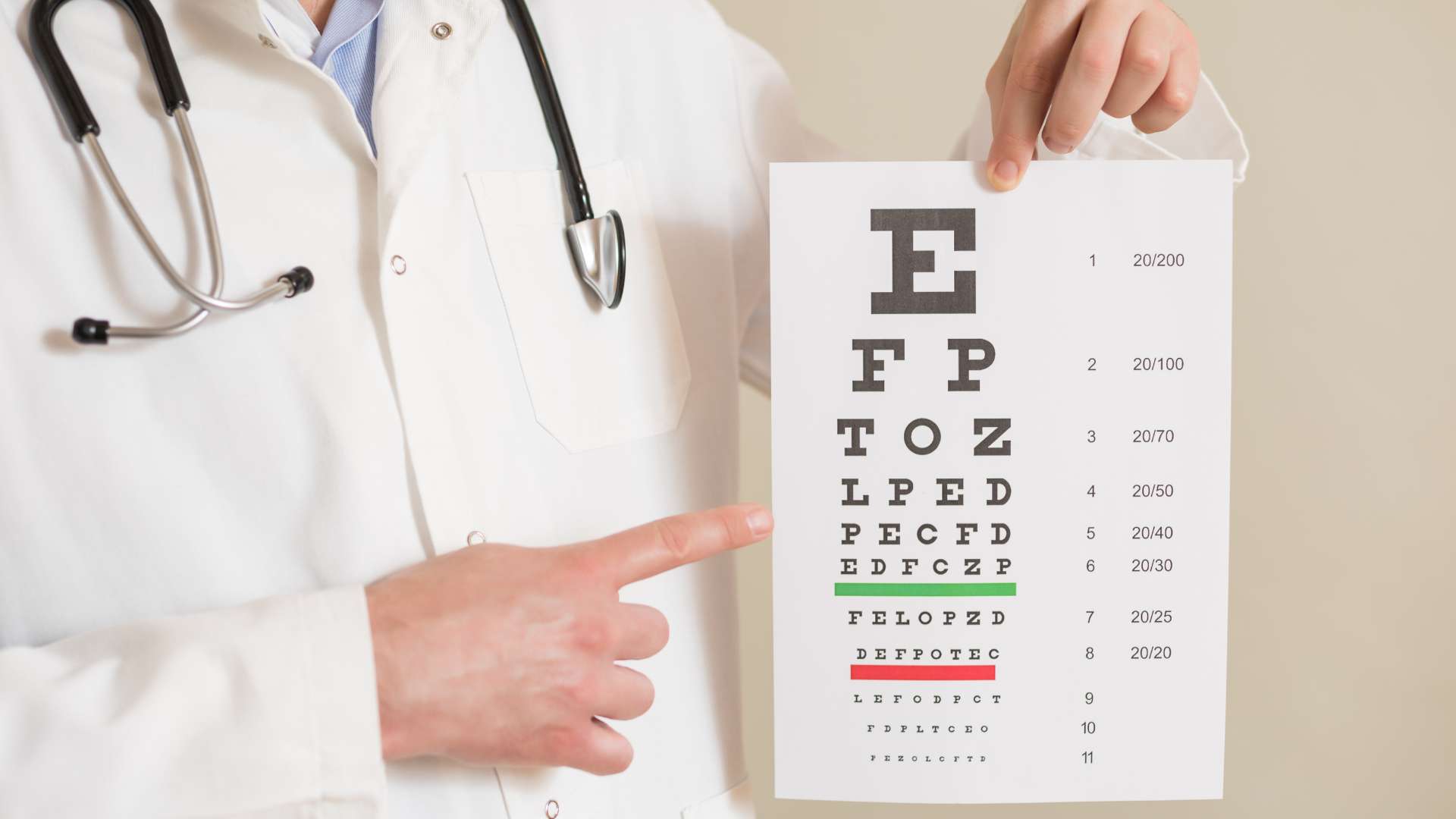
Visual acuity testing measures how well you see at different distances. We also test your eye movements, how your eyes work together, your peripheral vision, and how your pupils respond to light. These tests evaluate the functional aspects of your vision and can reveal neurological issues.
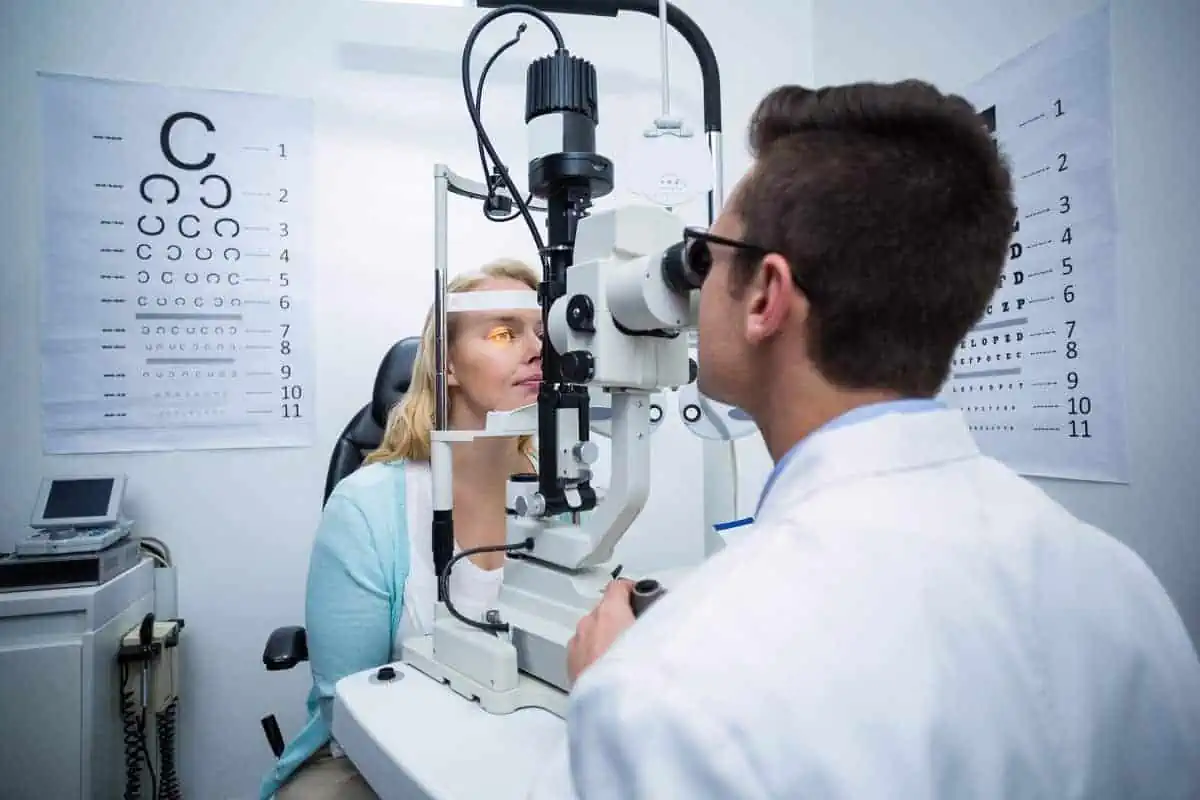
The most important part of a medical eye exam is the evaluation of your eye’s internal structures. We’ll likely dilate your pupils using eye drops, which allows us to see the back of your eye clearly. We examine your retina, optic nerve, and blood vessels using specialized instruments and often advanced imaging technology like optical coherence tomography (OCT) or digital retinal photography.
During this examination, we’re looking for signs of eye diseases—glaucoma damage to the optic nerve, retinal tears or detachment, macular degeneration, cataracts forming in the lens. We’re also looking for signs of systemic disease—changes in blood vessels that indicate diabetes or hypertension, deposits that suggest high cholesterol, or inflammation that might point to autoimmune conditions.
This comprehensive approach is what makes a medical eye exam so valuable. It’s not just checking one thing—it’s evaluating your entire visual system and using your eyes as a window into your overall health. Many eye and vision problems have no obvious signs or symptoms, so you might not know a problem exists. Early diagnosis and treatment of eye and vision problems can help prevent vision loss.
How Often Should You Get a Comprehensive Eye Exam
The question of how often you need an eye exam depends on your age, risk factors, and whether you have existing eye conditions. But here’s the general guidance that eye care professionals follow.
Adults should receive a baseline comprehensive eye evaluation at age 40. This is when early signs of eye disease and vision changes often start to appear. If you’re between 40 and 54 with no symptoms or risk factors, you should have an exam every two to four years. Between 55 and 64, that frequency increases to every one to three years. Once you reach 65, you should have an eye exam every one to two years.
But these are minimums for people with no risk factors. If you have diabetes, high blood pressure, a family history of eye disease, or if you wear glasses or contacts, you need more frequent exams—typically annually. If you have an existing eye condition like glaucoma or macular degeneration, we’ll want to see you even more often to monitor the disease and adjust treatment as needed.
Children and young adults need regular eye exams too, though the schedule is different. Vision problems can affect learning and development, so catching issues early matters. And while young adults have a lower risk of serious eye disease, conditions like myopia can progress, and regular exams ensure any changes are addressed.
The bottom line: don’t wait until you notice a problem. Many serious eye conditions don’t cause symptoms until they’ve progressed significantly. Regular comprehensive eye exams are your best defense against preventable vision loss. They’re also an opportunity to catch systemic health problems early, when treatment is most effective.
Making Eye Health Your Priority This Year
Making a medical eye exam your resolution this year isn’t just about checking a box—it’s about taking control of your health in a meaningful way. You’re giving yourself the gift of early detection, whether that’s catching an eye disease before it steals your sight or discovering a systemic condition before it causes serious complications.
The best part? A comprehensive eye exam is straightforward, relatively quick, and covered by most insurance plans when it’s medically necessary. You’re not committing to a complicated lifestyle overhaul or an expensive program. You’re simply scheduling an appointment that could genuinely change your life.
If it’s been a while since your last comprehensive eye exam, or if you’ve never had one, now is the time. Don’t wait for symptoms to appear. Don’t assume that because you can see clearly, your eyes are healthy. The conditions that cause the most damage are the ones you don’t see coming.
If you’re in Suffolk County, NY, we offer comprehensive medical eye exams with advanced diagnostic technology and a team that takes the time to explain your results and answer your questions. Making your eye health a priority this year could be the best resolution you keep.