
Summary:
What Is Advanced Myopia Management and Why Suffolk County Parents Need to Know
Myopia management is different from standard vision correction. Regular glasses or contact lenses help your child see clearly, but they don’t address the underlying issue—the eye growing too long, too fast.
Advanced myopia management uses specialized treatments to slow that progression. Research shows that even reducing myopia by one diopter can cut the risk of serious eye conditions like retinal detachment by 30% and myopic maculopathy by 40%. That’s not just about avoiding thicker glasses. It’s about reducing the lifetime risk of vision-threatening complications like glaucoma, cataracts, and retinal detachment that come with high myopia.
The earlier you start, the more effective it is. Myopia progresses fastest in younger children, especially those under age 10. Waiting until high school means missing the window when intervention has the greatest impact.
Why standard glasses aren't enough for progressive nearsightedness in children
If your child needs a stronger prescription every year, that’s a sign their myopia is progressing. Standard single-vision glasses correct the blur, but they don’t slow the eye’s growth. In fact, they only address the symptom—not the cause.
Here’s what’s happening: when the eye grows too long from front to back, light doesn’t focus properly on the retina. It focuses in front of it, causing distant objects to appear blurry. Traditional lenses fix that focal point for clear vision, but they don’t signal the eye to stop elongating.
That’s where specialized myopia management comes in. Treatments like orthokeratology, low-dose atropine drops, and multifocal contact lenses are designed to slow axial elongation—the medical term for that excessive eye growth. These aren’t experimental approaches. They’re evidence-based treatments we use to help children, understanding that managing myopia early can prevent it from becoming high myopia later.
High myopia isn’t just an inconvenience. It significantly increases the risk of serious ocular diseases. People with high myopia have a two to three times greater risk of developing glaucoma. The higher the level of myopia in childhood, the faster cataracts can develop in adulthood. And the risk of retinal detachment rises substantially as nearsightedness worsens.
So when you’re choosing an eye doctor in Suffolk County, NY for your child, you’re not just looking for someone who can prescribe lenses. You’re looking for someone who can help protect their long-term eye health through advanced myopia management. That requires specialized training in pediatric eye care , advanced diagnostic tools, and a proactive approach to treatment—not just reactive prescriptions.
How myopia progression affects Long Island children differently than adults
Children’s eyes are still growing, which is why myopia tends to worsen during childhood and adolescence. The younger a child is when myopia develops, the more time their eyes have to elongate—and the higher their final prescription is likely to be.
That’s why early intervention through specialized vision therapy and myopia management matters. A child diagnosed with nearsightedness at age 6 has many more years of potential progression ahead of them than a teenager diagnosed at 15. And because myopia progresses fastest in younger children, especially those under 10, starting myopia management early gives you the best chance of keeping their prescription lower.
But here’s what many Suffolk County, NY parents don’t realize: school vision screenings aren’t enough. These screenings provide less than 4% of the eye tests needed to properly assess children’s vision, and they miss up to 75% of children with vision problems. A comprehensive eye exam by an optometrist or ophthalmologist trained in pediatric eye care is essential—not just to diagnose myopia, but to measure axial length, assess eye health, and create a baseline for tracking progression.
Children also respond differently to myopia management treatments than adults. Their eyes are more adaptable, which means interventions like orthokeratology and multifocal contact lenses can be highly effective. Studies show that children who start wearing multifocal contact lenses as early as age 7 experience significant slowing of myopia progression. Low-dose atropine eye drops, given at bedtime, have been shown to slow nearsightedness progression by about half in clinical studies.
The key is finding an eye doctor who specializes in pediatric eye care and understands how to tailor nearsightedness treatment to your child’s specific needs. Not all optometrists or ophthalmologists have training in myopia management. And not all practices in Suffolk County, NY have the diagnostic equipment needed to monitor axial length and track treatment effectiveness over time.
You want a practice that offers comprehensive myopia evaluations, not just basic vision screenings. That means measuring more than just how well your child can see—it means understanding how their eyes are growing and what that means for their future vision.
Proven Myopia Management Treatment Options Available in Suffolk County, NY
There are several proven approaches to myopia management, and the right one depends on your child’s age, prescription, lifestyle, and how quickly their nearsightedness is progressing. An experienced eye doctor specializing in pediatric eye care will evaluate all of these factors before recommending a treatment plan.
The most common options include orthokeratology (ortho-k), low-dose atropine eye drops, and specialty multifocal contact lenses. Each has its own benefits and considerations. Some children do well with one approach, while others may benefit from combining treatments. The goal is the same: slow the progression of myopia and reduce the risk of high myopia and associated complications later in life.
Orthokeratology: overnight contact lenses for daytime vision freedom
Orthokeratology, often called ortho-k, involves wearing specially designed rigid gas permeable contact lenses overnight. While your child sleeps, these lenses gently reshape the front surface of the cornea. In the morning, they remove the lenses and enjoy clear vision throughout the day without needing glasses or daytime contacts.
But orthokeratology isn’t just about convenience. Research shows it also slows myopia progression by reducing the stimulus for the eye to elongate. The lenses are custom-fitted based on detailed corneal mapping, and regular follow-up visits are necessary to monitor fit and effectiveness.
Ortho-k is a great option for active children involved in sports or activities where glasses can be inconvenient or unsafe. It’s also appealing for kids who aren’t comfortable wearing daytime contact lenses or who have mild to moderate nearsightedness. However, it requires commitment—the lenses must be worn every night to maintain clear daytime vision, and proper hygiene is critical to reduce the risk of infection.
The fitting process for orthokeratology takes longer than regular contact lenses. Your child will need several office visits to ensure the lenses fit correctly and are achieving the desired corneal reshaping. With proper care, the lenses typically need to be replaced once a year. We also recommend having a backup pair in case lenses are lost or damaged, since vision may be reduced if ortho-k lenses aren’t worn overnight.
Not everyone is a candidate for ortho-k. It works best for children with low to moderate myopia and mild astigmatism. Children with certain corneal conditions or those who can’t maintain proper lens hygiene may not be good candidates. That’s why a thorough evaluation by an eye doctor experienced in orthokeratology and pediatric eye care is essential.
Look for a practice in Suffolk County, NY that uses FDA-approved ortho-k systems like Paragon CRT or Bausch & Lomb VST. These systems have been safely used for over 20 years and have strong clinical evidence supporting their effectiveness for both vision correction and myopia control in children.
Low-dose atropine drops and specialty contact lenses for nearsightedness control
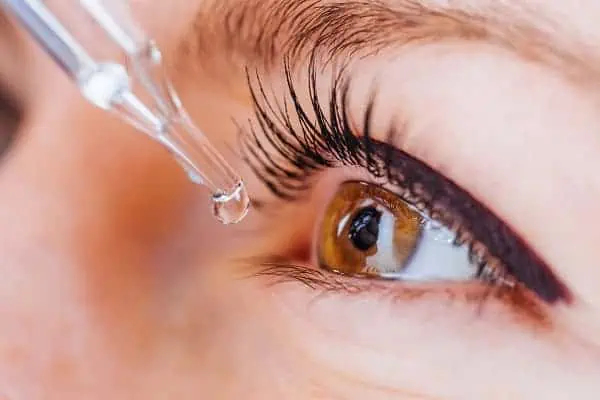
Low-dose atropine eye drops are one of the simplest and most studied nearsightedness treatment options for myopia management. Applied once daily at bedtime, these drops slow the progression of myopia by preventing excessive eye growth. Studies show they can reduce myopia progression by about half, making them a highly effective option for many children.
Unlike the higher concentrations of atropine used for other eye conditions, low-dose atropine (typically 0.01% to 0.05%) has minimal side effects. Some children may experience slight light sensitivity or mild redness, but these effects are usually minimal compared to higher doses. The drops don’t correct vision on their own, so children still need glasses or contact lenses for clear sight—but the goal is to keep that prescription from increasing rapidly year after year.
Atropine therapy requires consistency. Missing doses can reduce effectiveness, so it needs to become part of your child’s nightly routine. The treatment is usually continued for several years, with regular monitoring to assess how well it’s working and whether adjustments are needed.
Specialty multifocal contact lenses are another effective option for myopia management. These aren’t the same as regular contact lenses. They’re designed with multiple zones of focus—similar to a dartboard with concentric circles. The center corrects distance vision, while the outer portions create peripheral defocus, which signals the eye to slow its growth.
MiSight 1 day lenses are the first FDA-approved contact lenses specifically for myopia control in children. They’re soft, disposable lenses worn during the day and thrown out at night. Clinical studies show they’re effective at slowing nearsightedness progression when prescribed for children ages 8 to 12. They’re also proven safe for children to wear, though younger kids may need help inserting and removing them initially.
Other multifocal soft contact lenses work similarly, using peripheral defocus to slow axial elongation. These lenses are worn during the day, making them a good fit for children who are comfortable with daytime contact lens wear and want an alternative to glasses.
We may recommend combining treatments—such as using low-dose atropine drops along with multifocal contact lenses or orthokeratology—for enhanced effectiveness. This approach is becoming more common, especially for children with rapidly progressing myopia or those at high risk of developing high myopia based on family history and other factors.
The key is working with an eye doctor who stays current on the latest research in specialized vision therapy and myopia management, and can customize a nearsightedness treatment plan based on your child’s unique needs. In Suffolk County, NY, look for a practice that offers multiple myopia management options and takes the time to explain the pros and cons of each approach.
Finding Specialized Myopia Management Care in Suffolk County, NY
Finding the right eye doctor for myopia management means looking for specialized training in pediatric eye care, advanced diagnostic technology, and a proactive approach to nearsightedness treatment. You want someone who doesn’t just prescribe stronger glasses every year, but who actively works to slow progression and protect your child’s long-term vision.
Look for a practice in Suffolk County, NY that offers comprehensive myopia evaluations, including axial length measurements and detailed assessments of your child’s eye health. Ask about their experience with orthokeratology, atropine therapy, and specialty contact lenses. And pay attention to how they communicate—do they take time to explain your options and create a personalized treatment plan, or do they rush through appointments?
Your child’s vision is too important to leave to chance. If you’re concerned about your child’s myopia progression, we offer the specialized expertise in advanced myopia management and personalized pediatric eye care you’re looking for in Suffolk County, NY.