Summary:
What Technology and Equipment Do You Use for Comprehensive Eye Health?
This question reveals more than you might think. Advanced diagnostic technology isn’t just impressive—it’s essential for detecting eye diseases in their earliest stages when treatment is most effective.
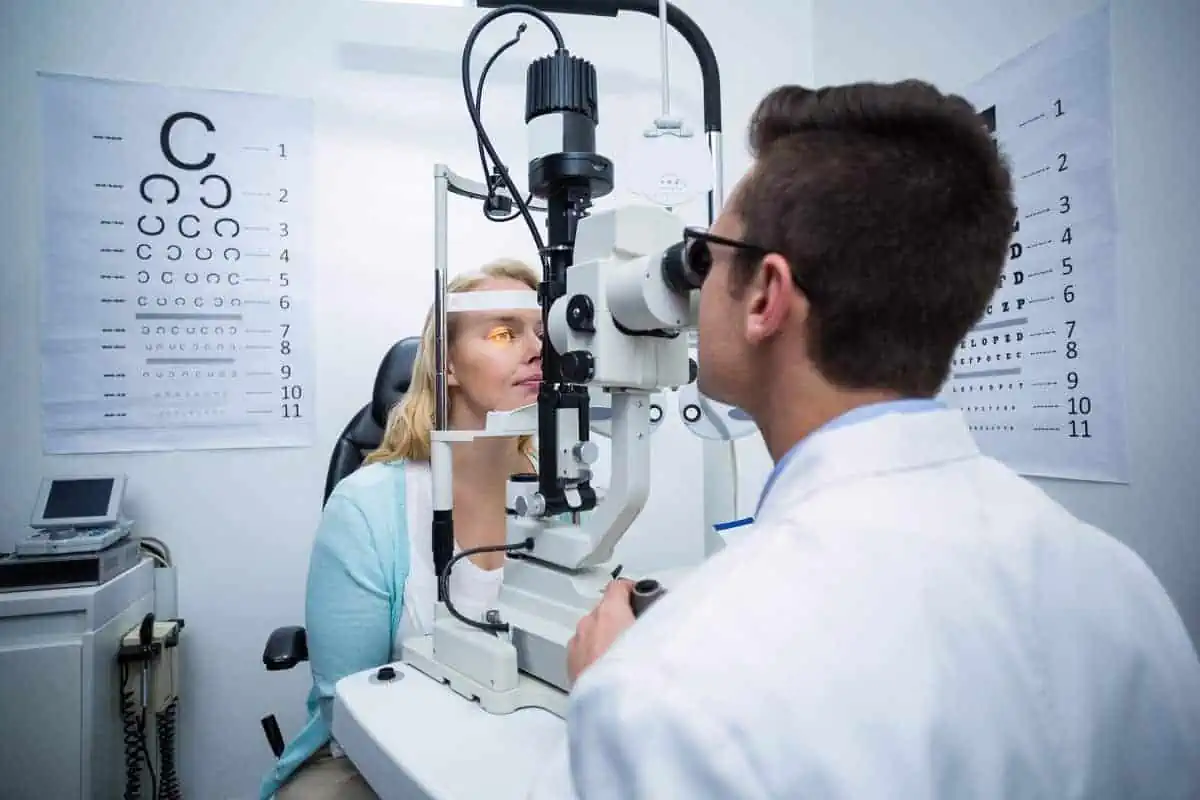
The best optometrists invest in cutting-edge equipment because they understand that your eye health depends on it. Look for practices that use digital retinal imaging, optical coherence tomography (OCT), and automated refraction systems.
These tools allow your eye doctor to see detailed images of your retina, measure eye pressure accurately, and detect conditions like glaucoma, macular degeneration, and diabetic retinopathy before you notice any symptoms.
How Do You Handle Comprehensive Eye Exams vs Basic Vision Screenings?
Here’s where many people get confused. A basic vision screening at the DMV or your local pharmacy isn’t the same as a comprehensive eye exam. Not even close.
A comprehensive eye exam goes far beyond reading letters on a chart. Your optometrist should examine the internal structures of your eyes, check for signs of systemic diseases, and evaluate your overall eye health. This includes dilating your pupils to get a clear view of your retina and optic nerve.
The American Optometric Association now recommends annual comprehensive eye exams for all adults 18 and older. This shift reflects growing awareness that many eye conditions develop silently, without obvious symptoms until significant damage has occurred.
When you ask this question, you want to hear about thorough testing protocols. Your optometrist should explain how they check for glaucoma, examine your retina for signs of diabetes or high blood pressure, and assess your risk for age-related eye conditions. They should also discuss how they customize exams based on your age, family history, and risk factors.
A quality practice will take time to educate you about what they’re looking for and why each test matters. If an office seems rushed or dismissive about explaining their examination process, that’s a red flag. Your eye health deserves more attention than a quick vision check.
What Advanced Diagnostic Tools Do You Use for Early Disease Detection?
Here’s where many people get confused. A basic vision screening at the DMV or your local pharmacy isn’t the same as a comprehensive eye exam. Not even close.
A comprehensive eye exam goes far beyond reading letters on a chart. Your optometrist should examine the internal structures of your eyes, check for signs of systemic diseases, and evaluate your overall eye health. This includes dilating your pupils to get a clear view of your retina and optic nerve.
The American Optometric Association now recommends annual comprehensive eye exams for all adults 18 and older. This shift reflects growing awareness that many eye conditions develop silently, without obvious symptoms until significant damage has occurred.
When you ask this question, you want to hear about thorough testing protocols. Your optometrist should explain how they check for glaucoma, examine your retina for signs of diabetes or high blood pressure, and assess your risk for age-related eye conditions. They should also discuss how they customize exams based on your age, family history, and risk factors.
A quality practice will take time to educate you about what they’re looking for and why each test matters. If an office seems rushed or dismissive about explaining their examination process, that’s a red flag. Your eye health deserves more attention than a quick vision check.
What Is Your Experience with My Specific Eye Condition or Concerns?
Experience matters, especially when dealing with complex eye conditions or specialized needs. You want an optometrist who has successfully treated patients with situations similar to yours.
If you have diabetes, ask about their experience managing diabetic retinopathy. For dry eye sufferers, inquire about advanced treatment options like intense pulsed light therapy or prescription treatments. Parents should ask about pediatric eye care experience and how they handle children’s unique needs.
Don’t hesitate to ask for specifics. How many patients with your condition do they see annually? What treatment approaches do they prefer and why? Their answers will reveal both their expertise and their commitment to staying current with best practices.
How Do You Stay Current with the Latest Eye Care Advances?
The eye care field evolves rapidly, with new treatments, technologies, and research emerging regularly. Your optometrist should be committed to continuing education and staying current with industry developments.
Ask about their participation in professional organizations, continuing education courses, and industry conferences. The best practitioners are excited to discuss recent advances they’ve learned about or implemented in their practice.
This question also reveals their approach to patient care. Optometrists who prioritize learning and growth are more likely to offer you the most effective, up-to-date treatments available. They should be able to discuss recent changes in treatment protocols or new technologies they’ve adopted.
Look for practitioners who can explain complex topics in terms you understand. The ability to translate medical knowledge into accessible information demonstrates both expertise and genuine care for patient education. You want someone who views themselves as your partner in maintaining eye health, not just someone who performs routine exams.
A commitment to ongoing education also suggests they’ll recognize when a condition requires specialized care and make appropriate referrals. The best optometrists know their limitations and maintain relationships with specialists for complex cases.
What Is Your Approach to Emergency Eye Care and Follow-up?
Eye emergencies don’t wait for convenient appointment times. Understanding how your potential optometrist handles urgent situations gives you insight into their commitment to comprehensive care.
Ask about their emergency protocols. Do they have after-hours contact information? How quickly can they see you for urgent concerns like sudden vision changes, eye injuries, or severe eye pain? What’s their process for handling situations that require immediate specialist referral?
The best practices have clear emergency procedures and maintain relationships with ophthalmologists and other specialists for situations requiring advanced care. They should be able to explain when they would handle an emergency themselves versus when they would refer you elsewhere.
Follow-up care is equally important. How do they monitor patients with ongoing conditions? What’s their protocol for tracking treatment effectiveness and adjusting care plans as needed? You want an optometrist who views your care as an ongoing relationship, not just individual appointments.
Ask about their communication preferences. How do they share test results? Do they provide written summaries of your visits? Can you easily reach them with questions between appointments? These details matter for building a successful long-term relationship with your eye care provider.
The quality of follow-up care often distinguishes excellent practices from average ones. Your optometrist should be proactive about scheduling appropriate check-ups and monitoring your eye health over time.
Making the Right Choice for Your Eye Health in Suffolk County
Choosing an optometrist isn’t just about finding someone who can update your prescription. It’s about finding a healthcare partner who will protect and preserve your vision throughout your life.
The right optometrist combines advanced technology with genuine expertise and personal attention. They take time to explain your eye health, answer your questions thoroughly, and customize care based on your individual needs and risk factors.
Remember that the cheapest option isn’t always the best value when it comes to your vision. Investing in quality eye care today can prevent serious problems and preserve your sight for decades to come. When you’re ready to experience comprehensive, personalized eye care, we’re here to serve the Suffolk County community with the expertise and advanced technology your vision deserves.