Summary:
What Is AI-Powered Retinal Screening and Why Does It Matter
AI-powered retinal screening uses advanced imaging technology combined with artificial intelligence to analyze your retina in detail. Think of it as a highly trained second set of eyes that never gets tired, never misses subtle changes, and can process what it sees in under a minute.
The technology captures high-resolution images of the back of your eye. Then FDA-cleared AI software examines those images for signs of diabetic retinopathy, macular degeneration, glaucoma, and other conditions. Studies show this approach achieves diagnostic accuracy rates of 92-96%, which is on par with retina specialists.
What makes this different from a standard eye exam is the level of detail and speed. Traditional exams rely on a doctor manually examining your eye, which can miss early-stage disease. AI screening provides consistent, objective analysis every single time. And you get results immediately, not days or weeks later.
How AI Retinal Imaging Detects Disease Before You Have Symptoms
Most people assume they’ll know when something’s wrong with their eyes. They expect pain, blurriness, or some obvious sign. But that’s not how retinal disease works.
Diabetic retinopathy, for example, damages blood vessels in your retina long before you notice vision changes. By the time you see blurry spots or floaters, the disease may have already progressed to a stage that’s harder to treat. The same goes for macular degeneration, which affects your central vision so gradually that your brain compensates for the loss until it can’t anymore.
AI-powered retinal screening catches these changes at the microscopic level. It identifies tiny hemorrhages, microaneurysms, and early vessel abnormalities that a standard exam might overlook. Optical coherence tomography, often used alongside AI screening, provides cross-sectional images of your retina with resolution down to 10-15 microns. That’s detailed enough to see individual retinal layers and detect fluid buildup, thinning tissue, or structural changes that signal disease.
The earlier you catch these problems, the more options you have. Treatments for diabetic retinopathy and macular degeneration are most effective in the early stages, before significant vision loss occurs. AI screening gives you that head start. It’s not about waiting until you have symptoms. It’s about finding problems when they’re still manageable.
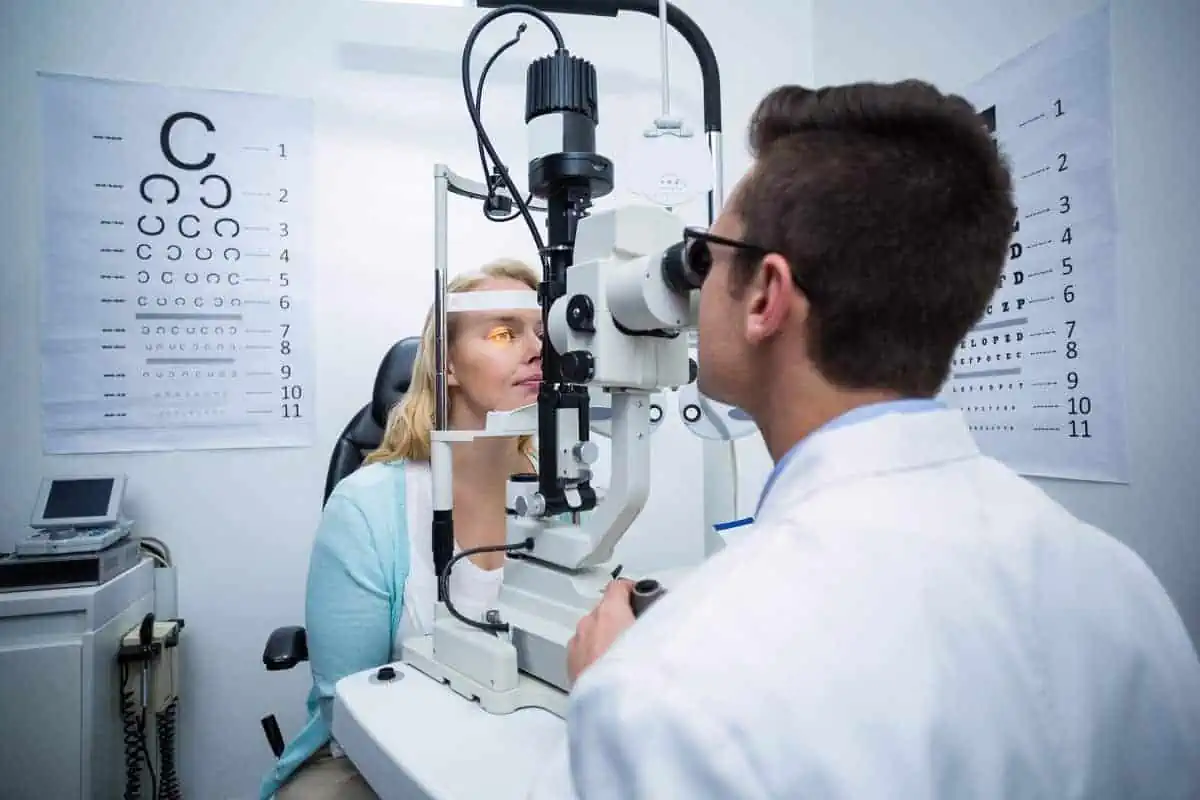
The process itself is straightforward. You sit in front of a specialized camera, look at a target, and the system captures images of your retina. No dilation required in many cases. No discomfort. The AI analyzes the images and provides a diagnostic report within 60 seconds. If the screening detects anything concerning, we can discuss next steps right then and there.
Who Benefits Most from Advanced Retinal Screening Technology
Anyone can benefit from AI-powered retinal screening, but certain groups are at higher risk for retinal disease and should prioritize it.
If you have diabetes, this technology is essential. Diabetic retinopathy is the leading cause of vision loss in working-age adults, and about 26% of people with diabetes already have some degree of retinopathy. The longer you’ve had diabetes, the higher your risk. AI screening allows you to monitor your retinal health regularly without the hassle of constant specialist referrals. Studies show that point-of-care AI screening achieves 100% exam completion rates compared to 35-50% with traditional referral-based methods. That difference matters when early detection can prevent 95% of diabetes-related vision loss.
Age is another major factor. If you’re over 40, your risk for macular degeneration, glaucoma, and other age-related conditions increases significantly. Macular degeneration affects about 9% of people between 45 and 85, and up to 84% of cases go undiagnosed in early stages because there are no symptoms. By the time you notice vision changes, the disease may have already damaged your central vision. AI screening helps catch it before that happens.
Family history also plays a role. If your parents or siblings have had macular degeneration, glaucoma, or diabetic retinopathy, your genetic risk is higher. Regular screening gives you a baseline and allows us to track changes over time. Even small shifts in retinal thickness or blood vessel patterns can signal early disease, and AI is exceptionally good at spotting those subtle differences.
People with high blood pressure, high cholesterol, or cardiovascular disease should also consider advanced retinal screening. These conditions affect blood vessels throughout your body, including the delicate vessels in your retina. Hypertensive retinopathy and vascular changes can be detected through retinal imaging, sometimes even before other symptoms appear. Your eyes can serve as a window into your overall vascular health.
And if you’re simply someone who values preventive care, AI-powered retinal screening is one of the most effective tools available. It’s non-invasive, quick, and provides objective data about your eye health. You don’t have to wait for symptoms to take action.
The 10 Signs You Need AI-Powered Retinal Screening Now
So when should you actually schedule AI-powered retinal screening? Here are the 10 most important signs that it’s time to see an eye doctor.
Some of these signs are obvious. Others are easy to dismiss. But all of them indicate that your retinal health deserves closer attention. AI screening can provide answers quickly and accurately, often catching problems before they become serious.
Each of these signs represents a different risk factor or symptom pattern that warrants advanced retinal imaging.
Sign 1-5: Critical Symptoms and Conditions That Require Immediate Screening
1. You Have Diabetes, Regardless of How Well Controlled It Is. Even if your blood sugar levels are stable, you’re still at risk for diabetic retinopathy. The American Diabetes Association recommends that people with type 2 diabetes get a dilated eye exam at the time of diagnosis, and those with type 1 diabetes should be screened within 3-5 years of diagnosis. After that, annual screenings are standard. AI-powered retinal imaging makes this process faster and more accessible. You can get screened during a routine eye exam without needing a separate specialist appointment.
2. You’re Noticing Floaters, Flashes of Light, or Dark Spots in Your Vision. These symptoms can indicate a retinal tear, detachment, or bleeding in the eye. Floaters are common as you age, but a sudden increase in them—especially if accompanied by flashes of light—warrants immediate attention. AI screening combined with a comprehensive exam can help determine if what you’re experiencing is benign or a sign of something more serious. Retinal detachment is a medical emergency, and early detection is critical.
3. Your Vision Has Become Blurry, Distorted, or Wavy. If straight lines look bent or you’re having trouble focusing on objects in your central vision, macular degeneration could be the cause. This condition affects the macula, the part of your retina responsible for sharp, detailed vision. Early-stage macular degeneration often presents as subtle distortion that you might dismiss as needing a new glasses prescription. But if the problem persists or worsens, retinal imaging can reveal whether the macula is thinning or if fluid is accumulating beneath it.
4. You’ve Been Diagnosed with High Blood Pressure or Cardiovascular Disease. These conditions damage blood vessels throughout your body, including in your retina. Hypertensive retinopathy can cause vision problems if left unchecked, and retinal imaging can detect vascular changes early. In some cases, we might spot signs of vascular damage before you experience any symptoms elsewhere. Your retina offers a unique view of your circulatory system, and AI screening can help identify issues that need attention.
5. You Have a Family History of Eye Disease. If your parents, siblings, or grandparents had macular degeneration, glaucoma, or diabetic retinopathy, your risk is higher. Genetics play a significant role in many retinal conditions, and early screening allows us to establish a baseline and monitor for changes over time. AI-powered imaging is particularly useful here because it provides objective, quantifiable data that can be compared year over year. Small changes that might be missed in a standard exam become obvious when you have detailed imaging to reference.
Sign 6-10: Age-Related and Preventive Screening Indicators
6. You’re Over 40 and Haven’t Had a Comprehensive Eye Exam in Over a Year. Age is one of the biggest risk factors for retinal disease. By 40, your risk for glaucoma, macular degeneration, and other conditions starts to climb. Even if you see perfectly fine, underlying changes could be happening. AI-powered retinal screening provides a detailed snapshot of your eye health and establishes a baseline for future comparison. Annual exams become even more important after 55, when the risk of age-related conditions accelerates.
7. You’re Experiencing Difficulty Seeing at Night or in Low Light. Night blindness can be an early sign of retinal degeneration or vitamin A deficiency. It can also indicate problems with the rods in your retina, which are responsible for low-light vision. If you’ve noticed that driving at night has become more challenging or that you need brighter light to read comfortably, it’s worth getting a retinal screening. AI imaging can detect structural changes in the retina that affect how your eyes respond to different lighting conditions.
8. You’ve Had Sudden Vision Changes, Even if They Resolved on Their Own. Temporary vision loss or sudden blurriness can be a warning sign of a transient ischemic attack or other vascular event affecting your eye. Even if your vision returned to normal, it’s important to get checked. Retinal imaging can reveal whether there was damage to the blood vessels or retina during the episode. Ignoring these warning signs can lead to more serious problems down the line, including permanent vision loss or stroke.
9. You’re Pregnant and Have Diabetes or Gestational Diabetes. Pregnancy can accelerate diabetic retinopathy, especially if blood sugar levels fluctuate. Women with pre-existing diabetes should have a comprehensive eye exam early in pregnancy and be monitored throughout. AI-powered retinal screening makes it easier to track changes quickly and non-invasively. Gestational diabetes also increases long-term risk for type 2 diabetes and retinal complications, so establishing a screening routine during and after pregnancy is important.
10. You Simply Want Peace of Mind About Your Eye Health. You don’t need symptoms or risk factors to justify AI-powered retinal screening. If you value preventive care and want to stay ahead of potential problems, this technology gives you that opportunity. It’s quick, painless, and provides objective data about the health of your retina. Many people find that having detailed imaging and a clear report gives them confidence that their eyes are healthy—or alerts them to issues they can address early.
How to Get AI-Powered Retinal Screening in Suffolk County, NY
If any of these signs apply to you, don’t wait. Early detection is the single most effective way to preserve your vision and prevent disease progression. AI-powered retinal screening is available right here in Suffolk County at North Shore Advanced Eyecare.
The process is simple. You’ll have a comprehensive eye exam that includes advanced retinal imaging using optical coherence tomography and AI-powered diagnostic technology. The entire screening takes just a few minutes, and you’ll get results immediately. If the AI detects any abnormalities, we’ll walk you through what it means and what steps to take next.
We’ve been serving the Suffolk County community for over 25 years. Dr. Edward J. Moylan and our team are known for taking the time to explain everything in detail, using the latest diagnostic technology, and providing personalized care that puts your health first. You’re not just another appointment. You’re a patient whose vision matters.