Summary:
Understanding Modern Dry Eye Treatment Options in Suffolk County
Dry eye disease affects nearly 38 million Americans, yet fewer than 10% are receiving prescription treatment. The condition goes far beyond occasional dryness—it’s a chronic disorder where your eyes can’t produce adequate tears or the tears evaporate too quickly.
Traditional approaches focused on artificial tears and basic eye drops. Today’s treatments target the underlying mechanisms causing your symptoms. Whether it’s blocked oil glands, inflammation, or insufficient tear production, modern dry eye therapy addresses the root problem.
Suffolk County’s environmental factors—from seasonal changes to urban pollution—can worsen dry eye symptoms. That’s why we offer increasingly sophisticated local treatment options, providing our patients access to the same advanced therapies available at major medical centers.
LipiFlow Treatment: Unblocking Your Eye's Natural Oil Glands
LipiFlow represents a breakthrough in treating evaporative dry eye, which accounts for roughly 86% of all dry eye cases. The treatment targets meibomian gland dysfunction—a condition where the tiny oil glands in your eyelids become blocked, preventing them from releasing the oils needed to keep your tears from evaporating too quickly.
During a LipiFlow session, sterile applicators are placed over your closed eyelids. The device applies controlled heat to the inner eyelid while providing gentle pressure from the outside. This combination melts the hardened oils blocking your glands and massages them out, restoring normal function. The entire procedure takes about 12-15 minutes per eye and requires no downtime.
Clinical studies show that LipiFlow can significantly improve tear film stability and reduce symptoms like burning, itching, and redness. Many patients experience relief that lasts up to a year or more. The treatment is particularly effective for patients whose dry eye stems from blocked meibomian glands rather than insufficient tear production.
What makes LipiFlow appealing to many Suffolk County patients is its precision. Unlike manual gland expression, which can be uncomfortable and less effective, LipiFlow provides consistent, controlled treatment. You can return to normal activities immediately after your appointment.
IPL Therapy: Using Light to Reduce Inflammation and Restore Gland Function
Intense Pulsed Light (IPL) therapy has emerged as one of the most successful treatments for long-term dry eye control. Originally developed for dermatological conditions, IPL has been optimized specifically for treating dry eye disease and meibomian gland dysfunction.
IPL works by delivering controlled pulses of light to the skin around your eyes. This light energy targets the tiny blood vessels that contribute to eyelid inflammation—a key underlying cause of dry eye disease. By reducing this inflammation, IPL helps restore normal gland function and improves tear quality.
The treatment process is straightforward and comfortable. A cooling gel is applied to the treatment area, and the IPL device delivers gentle light pulses. Each session takes about 15-20 minutes, and most patients require a series of 3-4 treatments spaced 2-4 weeks apart for optimal results.
What sets IPL apart is its dual benefit. Not only does it address dry eye symptoms, but it can also improve the appearance of redness and fine lines around the eyes. Many patients find IPL particularly effective when combined with other treatments like LipiFlow, creating a comprehensive approach to dry eye management.
Research shows IPL can provide cumulative benefits, with continued improvement over weeks to months as inflammation decreases and gland function is restored. The treatment is FDA-cleared and has an excellent safety profile when performed by trained professionals.
TRYPTYR: The Revolutionary New Prescription Drop That Changes Everything
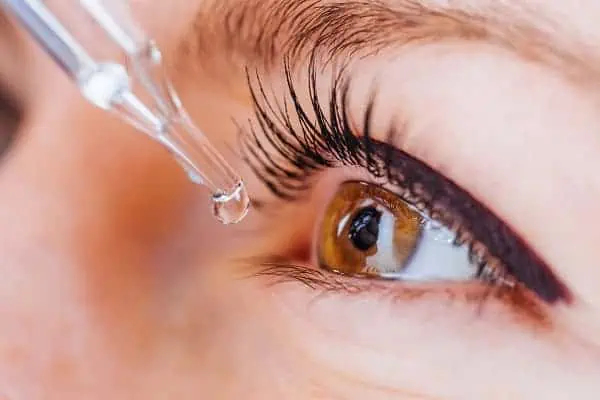
In May 2025, the FDA approved TRYPTYR (acoltremon), representing the first major breakthrough in dry eye prescription therapy in years. This first-in-class treatment works differently than any existing dry eye medication—instead of just adding moisture or reducing inflammation, TRYPTYR actually stimulates your eyes to produce more of their own natural tears.
TRYPTYR targets TRPM8 receptors, which are proteins that activate the nerves in your cornea responsible for tear production. By stimulating these nerves, the drops trigger your body’s natural tear-making process. Clinical trials showed that patients could see improvements in tear production as early as the first day of treatment.
The medication comes in single-use vials, with one drop needed in each eye twice daily, approximately 12 hours apart. This convenient dosing schedule fits easily into most daily routines, making it practical for long-term use.
Who's a Good Candidate for TRYPTYR Treatment
TRYPTYR represents a significant advancement for patients whose dry eye stems from insufficient tear production rather than just poor tear quality. The clinical trials that led to FDA approval included over 930 patients with a history of dry eye disease, providing robust evidence of its effectiveness.
In the pivotal studies, up to four times more TRYPTYR patients experienced at least a 10mm increase in natural tear production at Day 14 compared to placebo. In the COMET-2 trial, 42.6% of TRYPTYR patients achieved this improvement versus only 8.2% of those receiving placebo. The COMET-3 trial showed even stronger results, with 53.2% of TRYPTYR patients achieving significant improvement compared to 14.4% in the placebo group.
What makes TRYPTYR particularly promising is its rapid onset combined with sustained benefits. While some patients notice improvement on the first day, the effects continue to build over time. The medication showed consistent results at all timepoints through Day 90 in clinical trials.
TRYPTYR can be used alongside other dry eye treatments, including artificial tears and anti-inflammatory drops. However, if you’re using multiple eye medications, they should be spaced at least five minutes apart. The drops should not be used while wearing contact lenses , but lenses can be reinserted 15 minutes after application.
Suffolk County patients interested in TRYPTYR should discuss their symptoms and treatment history with us. The medication is expected to be available in the third quarter of 2025, offering new hope for those who haven’t found adequate relief with existing treatments.
Preparing for Your Dry Eye Consultation: What to Expect
A comprehensive dry eye evaluation goes far beyond a basic eye exam. Your consultation will likely begin with a detailed discussion of your symptoms, including when they occur, what makes them better or worse, and how they impact your daily activities. Be prepared to discuss your medical history, medications, and lifestyle factors that might contribute to dry eye.
We use advanced diagnostic tools to pinpoint the exact cause of your symptoms. These may include tear osmolarity testing to measure the salt concentration in your tears, imaging of your meibomian glands to check for blockages, and assessments of your tear film stability. We also use specialized cameras to evaluate the quality and quantity of your tears.
The diagnostic process helps determine whether you have aqueous-deficient dry eye (insufficient tear production), evaporative dry eye (tears evaporate too quickly), or a combination of both. This information is crucial for selecting the most effective treatment approach, whether that’s LipiFlow for blocked glands, IPL for inflammation, prescription drops like TRYPTYR for tear production, or a combination of therapies.
We’ll also discuss lifestyle modifications that can support your treatment. These might include using a humidifier, taking omega-3 supplements, adjusting your computer screen position, or making changes to your environment. The goal is creating a comprehensive plan that addresses both the underlying causes and contributing factors of your dry eye disease.
Many patients are surprised to learn how much their dry eye consultation reveals about their overall eye health. The evaluation often uncovers other conditions or risk factors, making it valuable beyond just addressing your immediate symptoms.
Finding Expert Dry Eye Care in Suffolk County
The landscape of dry eye treatment has transformed dramatically in recent years. What once meant relying on basic artificial tears now includes sophisticated therapies that can provide lasting relief by addressing the root causes of your symptoms. From LipiFlow’s targeted approach to blocked glands and IPL’s anti-inflammatory benefits to the revolutionary tear-stimulating effects of TRYPTYR, patients have more options than ever before.
The key is working with an experienced dry eye specialist who can properly diagnose your specific condition and recommend the most appropriate treatments. Not every dry eye case is the same, and the most effective approach often involves combining different therapies tailored to your individual needs.
If you’re tired of managing dry eye symptoms with temporary solutions, it may be time to explore these advanced treatment options. We offer comprehensive dry eye evaluations and the latest treatment technologies to help Suffolk County patients achieve lasting relief and improved quality of life.